


Vijay Pratap Singh
9 Sept 2026
Planning Your Mount Elbrus Climb: Best Season, Visa Requirements & Route Guide (South vs. North Side)
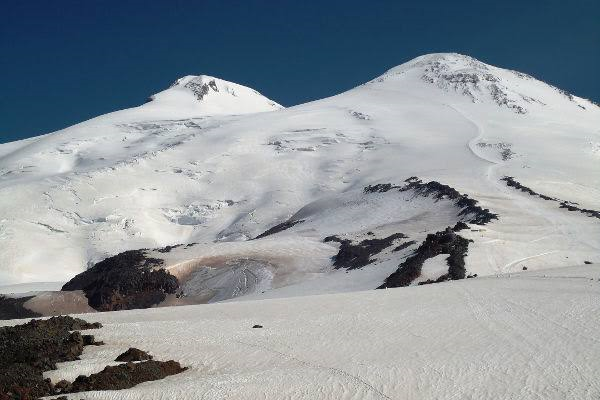
Mount Elbrus stands as one of the most iconic peaks in the world. Its snow-capped summit attracts adventurers eager to conquer Europe's highest mountain. But before you lace up your boots, three decisions will shape your entire expedition: when you climb, what paperwork you need, and which route you take.
Get these three right, and you set yourself up for a smooth, well-timed, well-supported ascent. Get them wrong, and you risk bad weather windows, visa delays, or a route that doesn't match your experience level. This guide walks you through all three, so you can plan a guided Elbrus expedition with confidence.
1. Best Time to Climb Mount Elbrus
Elbrus can technically be climbed year-round, but conditions vary dramatically by season. Most guided expeditions run during a specific window for good reason.
Peak Season: May to September
The vast majority of successful summits happen between late May and mid-September, with July and August considered the prime months.
June–August: Warmest temperatures, most stable weather, longest daylight hours, and the highest success rates. This is also when huts, cable cars, and snowcat services on the South side operate at full capacity. Expect more climbers on the mountain during this window.
May and September: Still solid climbing months with fewer crowds, but weather is less predictable and snow conditions can vary more. Experienced guides often recommend early September for those who want quieter trails without sacrificing too much safety margin.
Shoulder Season: Late April & Late September–October
Climbing outside peak season is possible but comes with tradeoffs:
Colder temperatures and shorter daylight windows
Higher chance of storms rolling in with little warning
Reduced infrastructure — some cable car sections or huts may have limited operating hours
Generally only recommended for climbers with prior high-altitude or winter mountaineering experience, ideally with a guide who knows the mountain's shoulder-season moods well
Winter Climbs (November–April)
Winter ascents of Elbrus are rare and reserved for highly experienced mountaineers. Extreme cold, avalanche risk, and severely limited daylight make this a specialist undertaking, not a beginner's guided trip.
Bottom line: If this is your first big-mountain expedition, aim for July or August. If you want fewer crowds and don't mind a slightly less predictable forecast, late May/early June or September are strong alternatives.

2. Visa & Travel Requirements for International Climbers
Because Elbrus sits in the Caucasus region near international borders, paperwork requires more attention than a typical trekking trip. Requirements can change, so always verify current rules with your embassy or tour operator before booking flights — but here's what to generally expect.
Entry Visa
Most international climbers will need a visa to enter the country before their trip. Processing times and requirements vary significantly by nationality, so:
Check your eligibility and application process well in advance — some visa types take several weeks to process
Confirm whether you need an official invitation letter, which many guided tour operators can provide as part of their booking package
Double-check passport validity requirements (typically at least six months beyond your travel dates)
Border Zone Permit
Elbrus lies within a designated border zone, since the Caucasus range marks part of the frontier with neighboring countries. This means:
International climbers typically need a special border zone permit in addition to a standard visa
This permit is usually arranged by your guide company or tour operator, but it requires your passport details well ahead of the trip — often 20–30 days in advance
Always confirm with your operator exactly what they handle versus what you need to submit yourself
Registration with Local Rescue Services
Once in the region, groups are generally expected to register with the local mountain rescue service (MCHS) before beginning the climb. This is a safety measure, not just bureaucracy — it means rescue teams know your group's timeline and return date. Reputable guide companies handle this registration automatically as part of your trip.
Practical Tips
Start your visa and permit paperwork at least 4–6 weeks before departure
Book through a guide company experienced with international climbers — they'll usually manage invitation letters, border permits, and rescue registration as part of the package
Carry physical copies of your visa, permit, and passport at all times during the trip; digital copies alone may not suffice at checkpoints
3. South Side vs. North Side Elbrus Routes: Which Should You Choose?
Elbrus has two primary climbing routes, and choosing the right one matters as much as choosing the right season.
South Side Route
The South side is the most popular and most climbed route, and for good reason:
Infrastructure: Cable cars and snowcats carry climbers up much of the lower mountain, cutting down on approach time and physical strain before the real climbing begins
Accommodation: Mountain huts (rather than tents) are available at higher camps, offering more comfort and shelter from weather
Crowds: Because it's the most established route, expect more climbers, especially in July and August
Best for: First-time high-altitude climbers, those wanting more support infrastructure, and anyone who prefers a shorter, more logistically simple ascent
North Side Route
The North side is wilder, quieter, and more demanding:
Infrastructure: Minimal to none — no cable cars, no huts. Climbers camp in tents throughout the expedition
Approach: Longer and more physically demanding, with a greater emphasis on self-sufficiency and acclimatization hikes
Crowds: Significantly fewer climbers, offering a more remote, wilderness-style experience
Best for: Climbers with prior mountaineering or expedition camping experience who want a more rugged, traditional-style ascent away from crowds
Quick Comparison
Factor | South Side | North Side |
Difficulty | Moderate | Higher |
Infrastructure | Cable cars, snowcats, huts | None — tent camping throughout |
Crowd levels | Higher | Much lower |
Trip length | Typically 5–6 days | Typically 6–7 days |
Best suited for | Beginners, first-timers | Experienced climbers |
East and West Routes
There are also East and West routes up Elbrus, but these see only a handful of ascents per year and are reserved for highly experienced climbers seeking a true off-the-beaten-path challenge. Most guided expedition companies don't offer these as standard packages.
How Timing, Paperwork, and Route Choice Work Together
These three factors aren't independent decisions — they interact:
North side climbers should build in extra buffer time for both permits (since the route sits closer to sensitive border areas) and weather delays, since there's less infrastructure to fall back on if conditions turn.
Peak season (July–August) on the South side means booking early — popular guide companies fill up months in advance, and huts have limited capacity.
Shoulder season climbers attempting either route should lean toward operators with strong local weather knowledge, since the margin for error narrows outside peak months.
Plan backward from your target climbing month: lock in your season first, then start visa and permit paperwork 4–6 weeks out, and choose your route based on your experience level and how much comfort versus solitude you're looking for.

Ready to Book Your Guided Elbrus Expedition?
Climbing Mount Elbrus is a bucket-list achievement, but it rewards careful planning. Choosing the right season, sorting your visa and permits early, and picking the route that matches your experience will set the foundation for a safe, successful summit. With the right guided support, Europe's highest peak is within reach for prepared climbers of many experience levels.
Want to climb Mt Elbrus ?
Its just one click away Connect with our Experts >> Contact Us